Clear Skin Routine Bundle: 5 Guides for a Simple Routine
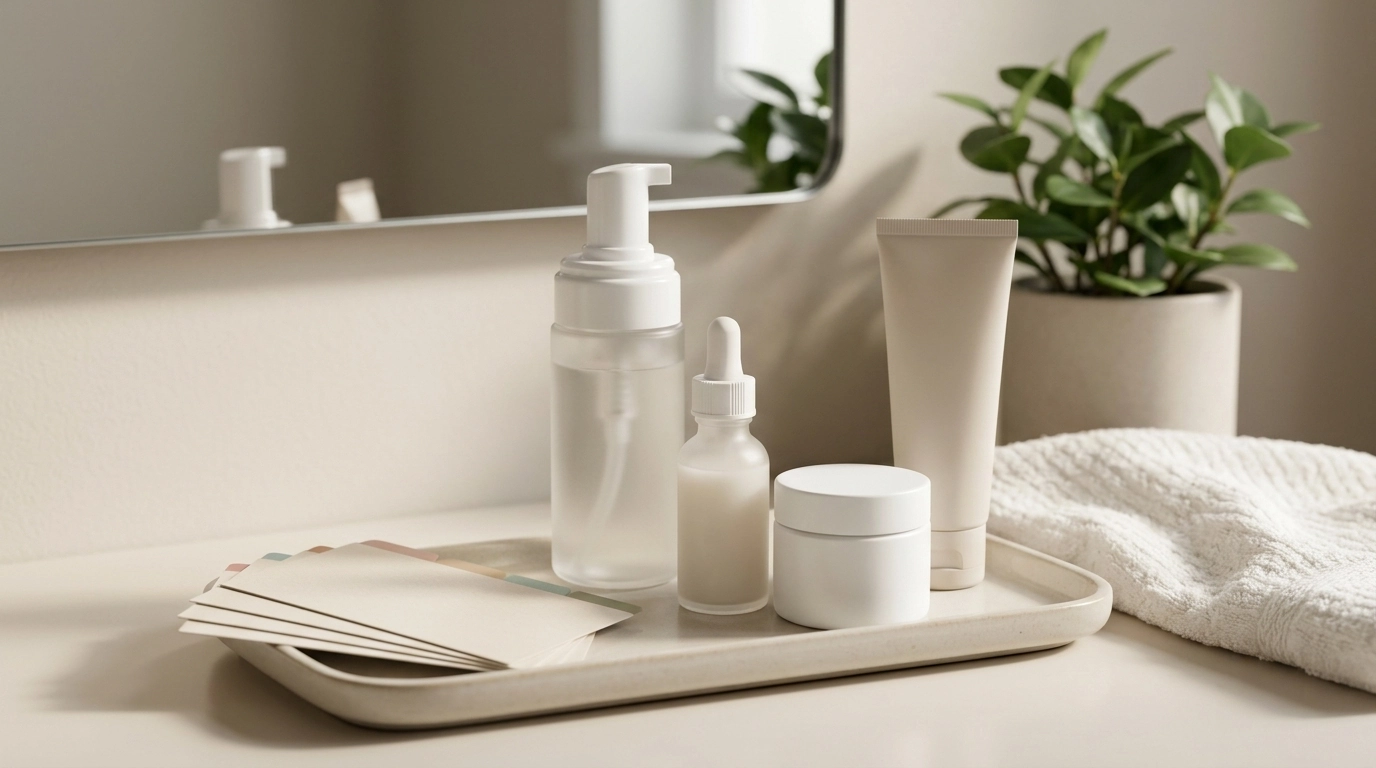
Clear Skin Routine Bundle: a 5-in-1 system for consistent, calmer-looking skin
A structured set of routine guides can make skincare feel simpler by turning product confusion into clear, repeatable steps. The Clear Skin Routine Bundle | 5-in-1 clear skin skincare routine Guides is designed to help build consistent habits, reduce common mistakes, and tailor a routine to concerns like breakouts, uneven texture, excess oil, or sensitivity—without constantly restarting from scratch.
When a routine is organized, it’s easier to spot what’s working, what’s irritating, and what just doesn’t belong. That steady feedback loop is what helps routines become sustainable—especially for acne-prone or reactive skin.
What’s included in the 5-in-1 routine bundle
- Five coordinated routine guides designed to work together as a single system.
- Step-by-step sequencing so actives, moisturizers, and sunscreen fit together without guesswork.
- Guidance for adjusting frequency and intensity based on skin feedback (dryness, irritation, new breakouts).
- A repeatable framework for building a routine instead of relying on random product swapping.
If you’ve ever layered “everything that helps acne” in one night and ended up with tightness, peeling, or stinging, the value here is structure. Acne care is rarely about adding more steps—it’s about choosing the right steps, then using them at a tolerable pace. For acne basics and treatment approaches, the American Academy of Dermatology (AAD) overview of acne is a helpful reference point.
Who this bundle fits best
- Beginners who want a clear order of operations (cleanse → treat → moisturize → protect).
- People with acne-prone or congested skin who need consistency more than constant experimentation.
- Those dealing with sensitivity from overuse of exfoliants, strong actives, or too many products at once.
- Anyone who wants a routine that can be simplified during flare-ups and scaled up when skin is stable.
It also suits anyone who’s tired of “starting over” every time skin gets unpredictable. With a system mindset, you can downshift to a gentler baseline, then reintroduce treatment steps methodically rather than guessing.
How to use the guides without overwhelming your skin
- Start with a “baseline routine” for 7–14 days: gentle cleanser, moisturizer, sunscreen (AM); cleanser, moisturizer (PM).
- Introduce one new treatment step at a time; keep everything else steady to isolate what helps or irritates.
- Use the “low and slow” rule: lower frequency first (e.g., 2–3 nights/week) before increasing strength or adding more actives.
- Watch for barrier stress signals: stinging with water, tightness, unusual shine with dehydration, or sudden sensitivity.
- Patch test new products and avoid stacking multiple potentially irritating actives on the same night.
A useful way to think about it: your routine should feel boring and repeatable most days. If it feels like a different experiment every night, it becomes almost impossible to tell whether breakouts are from hormones, stress, occlusion, product irritation, or just the normal rhythm of skin.
A simple routine map (morning vs. evening)
Morning is about protection and prevention, while evening is where cleansing and targeted treatments usually belong. If you use multiple actives, rotating them (instead of stacking) is often the difference between “steady progress” and “mysterious irritation.”
| Step | Morning (AM) | Evening (PM) | Notes |
|---|---|---|---|
| Cleanse | Optional (gentle cleanse if oily/sweaty) | Yes | Avoid harsh scrubs; choose a gentle cleanser to protect the skin barrier |
| Treat | Optional (lightweight, non-irritating options) | Yes (primary treatment step) | Introduce one active at a time; rotate nights if using multiple treatments |
| Moisturize | Yes | Yes | Use enough to prevent tightness; lighter textures can still be barrier-supportive |
| Protect | Sunscreen SPF 30+ | — | Essential when using exfoliants/retinoids; reapply if outdoors |
Sunscreen is especially non-negotiable when you’re using exfoliants or retinoids. The AAD’s sunscreen FAQs explain why daily protection matters and how to use it more effectively.
Common routine mistakes the bundle helps prevent
Another common pitfall: expecting instant results, then escalating too fast. Acne can be stubborn, and uneven texture often improves gradually. The Mayo Clinic’s acne guide offers a grounded overview of what influences acne and why treatment timelines vary.
How to adjust the routine for real-life situations
Dry indoor air can quietly push skin into a “tight but shiny” cycle—dehydration drives discomfort, and skin may overcompensate with oil. If that sounds familiar, improving the room environment can support your barrier alongside your topical routine. A practical option is the 6L Smart Humidifier with Warm & Cool Mist, 60-Hour Run Time, Alexa Compatible, especially during heating season when humidity drops.
Pairing habits that support clearer-looking skin
Shop the routine system
If you’re ready to replace guesswork with a clear sequence and adjustment rules, start with the Clear Skin Routine Bundle | 5-in-1 clear skin skincare routine Guides. Build a baseline, introduce treatments one at a time, and let your skin’s feedback set the pace.
FAQ
How long should a routine be followed before expecting results?
Most routines need time to show meaningful change—often 4–8 weeks for clearer-looking skin, with earlier improvements in comfort or oil balance. Avoid switching multiple products quickly, since frequent changes make it harder to know what’s helping.
Can treatment steps be used every day?
It depends on the product and your tolerance. Many stronger actives do best when started at 2–3 nights per week, then increased gradually if skin stays comfortable and stable.
What if skin gets drier or starts stinging after starting a routine?
Simplify to cleanser + moisturizer + sunscreen and pause strong treatments until stinging and tightness settle. Restart slowly once your barrier feels normal again, and seek professional care if irritation is severe or persistent.
















Leave a comment