Stainless Steel Water Bottles: Safe or Not?
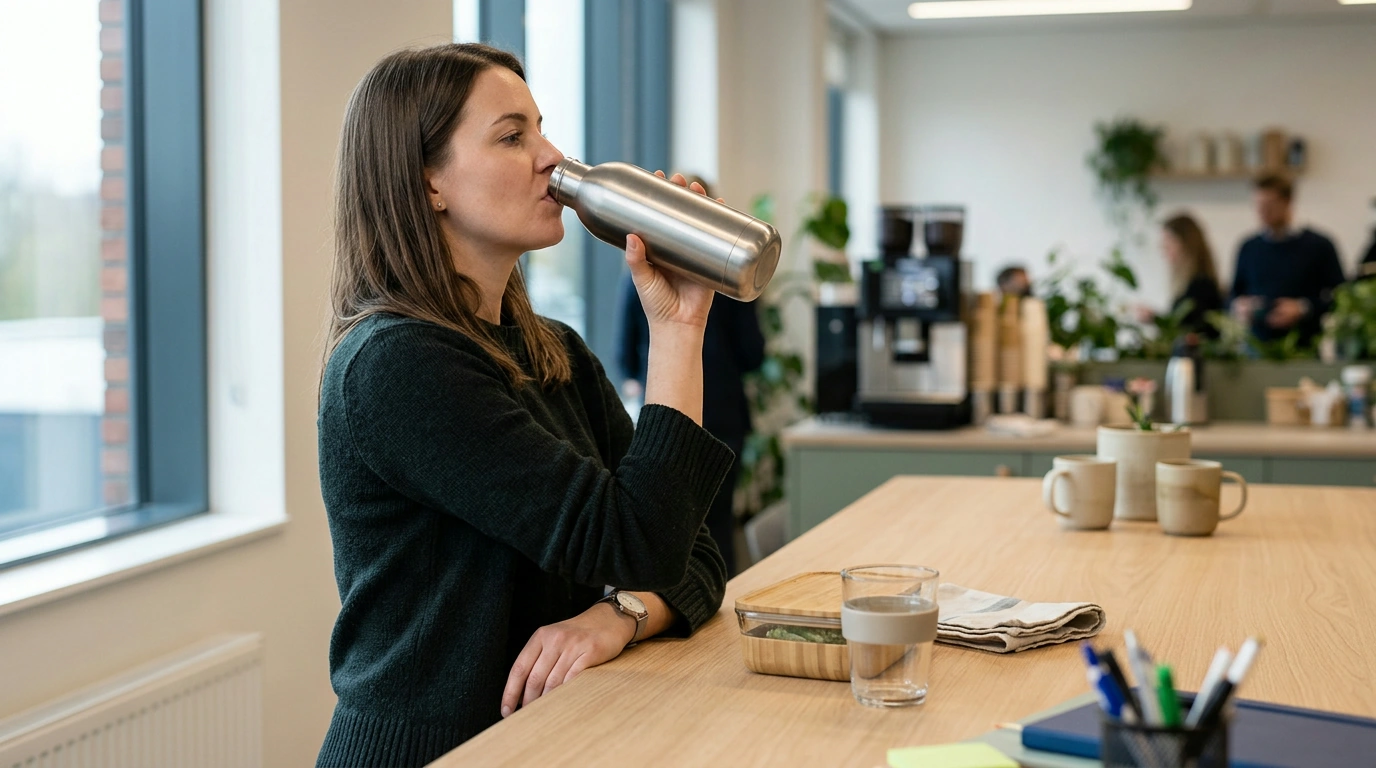
Is it healthy to drink water from a stainless steel bottle?
For most people, yes—drinking water from a stainless steel bottle is generally considered a healthy, practical choice. Food-grade stainless steel (commonly 18/8 or 304) is designed to be durable, non-porous, and resistant to rust and corrosion, which helps prevent flavors, odors, and bacteria from lingering compared with some other materials.
The biggest health considerations usually come down to the bottle’s quality and how it’s used. A reputable, food-grade bottle is unlikely to leach harmful chemicals into water under normal conditions. That said, extremely hot liquids, acidic beverages, or long storage times can amplify taste changes and may stress lower-quality linings or components. It also helps to check the cap and any silicone seals—these parts matter for cleanliness and can wear out faster than the steel body.
Hygiene is equally important. Any reusable bottle can become a breeding ground for microbes if it isn’t cleaned regularly, especially around the mouthpiece and threads. Washing daily with warm, soapy water, letting it fully dry, and doing an occasional deeper clean (like a bottle brush for tight areas) keeps it fresh and safe.
If you’re choosing a bottle for everyday hydration, stainless steel is a solid option because it holds up well, doesn’t shatter, and often comes in insulated designs that keep water cold longer—making it easier to drink more throughout the day.
For a deeper look at materials, safety tips, and what to watch for, read the full guide here: Is it healthy to drink water from a stainless steel bottle?
For Stainless Steel Water Bottles: Safe or Not?, the best answer depends on fit, material, care instructions, and how the product will be used day to day.
FAQ
How do you clean a stainless steel water bottle properly?
Wash it daily with warm water and dish soap, using a bottle brush to reach the bottom and scrub around the threads. Rinse well, then let it air-dry completely with the cap off to reduce moisture buildup.








Leave a comment