Winter Heated Outdoor Cat House: Best Features to Buy
What is the best heated outdoor cat house for winter?
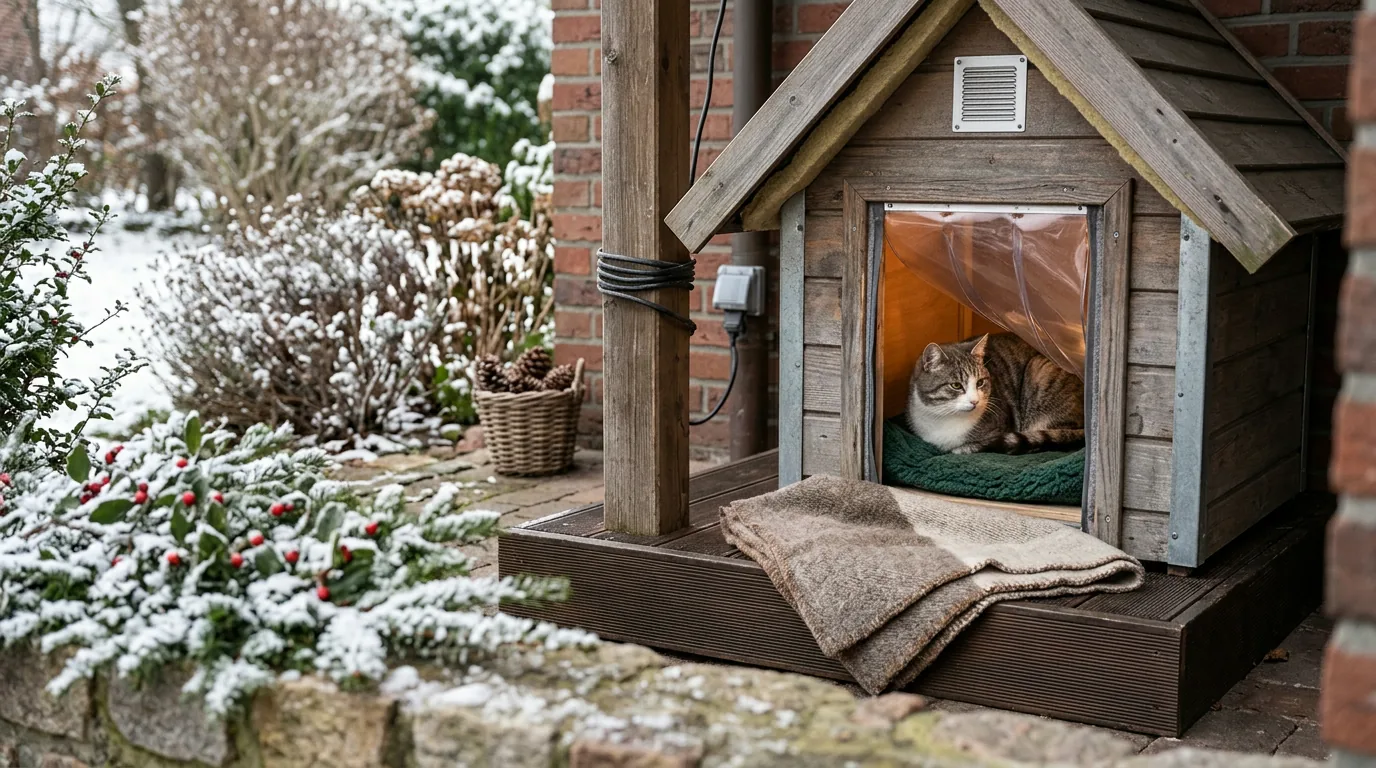
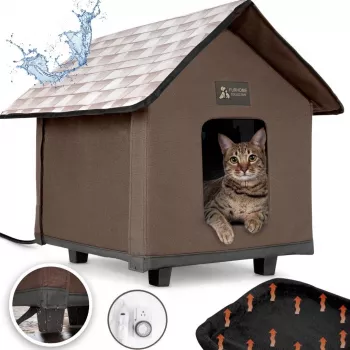
The best heated outdoor cat house for winter is one that stays dry, blocks wind, and provides safe, low-watt warmth while still letting your cat get out quickly. Look for a fully insulated shelter with a weatherproof roof, an elevated base, and a heated pad designed specifically for cats (not a space heater). A compact interior also matters—smaller spaces warm faster and help your cat retain body heat.
What to look for in a winter-ready heated cat house
Insulation on all sides: Thick foam or similar insulation in the walls, floor, and roof helps the heater do its job without running constantly.
Heated pad with chew-resistant cord: Choose a thermostatically controlled pet heating pad that warms to a safe temperature when your cat uses it. Outdoor-rated cords and a protective wrap reduce risks.
Weather protection: A sloped, waterproof roof and sealed seams keep snow and rain out. An overhang above the doorway helps prevent drifting snow from entering.
Wind-blocking entry: A small doorway, offset entrance, or vinyl flap cuts drafts while still allowing easy access.
Raised floor: Elevation prevents ground moisture from wicking into the shelter and improves warmth during freezes.
Placement tips that make a big difference
Set the house in a sheltered spot (near a wall, under an awning, or behind a windbreak), face the entrance away from prevailing winds, and keep it off bare ground. In extreme cold, adding straw around (not inside the heated pad area) can improve overall insulation, while still letting the heated surface stay clear and usable.
Want specific product picks and comparisons?
For detailed recommendations and what to choose based on your climate and setup, see the full guide here: https://worthyofferhut.shop/what-is-the-best-heated-outdoor-cat-house-for-winter/.
FAQ
How do I keep an outdoor cat house warm without overheating it?
Use a thermostatically controlled pet heating pad and an insulated, compact shelter. Avoid adding extra heaters; instead, reduce drafts with a flap or offset entry and keep bedding dry so warmth stays stable.










Leave a comment