304 vs 316 Stainless Steel Bottles: Best Choice
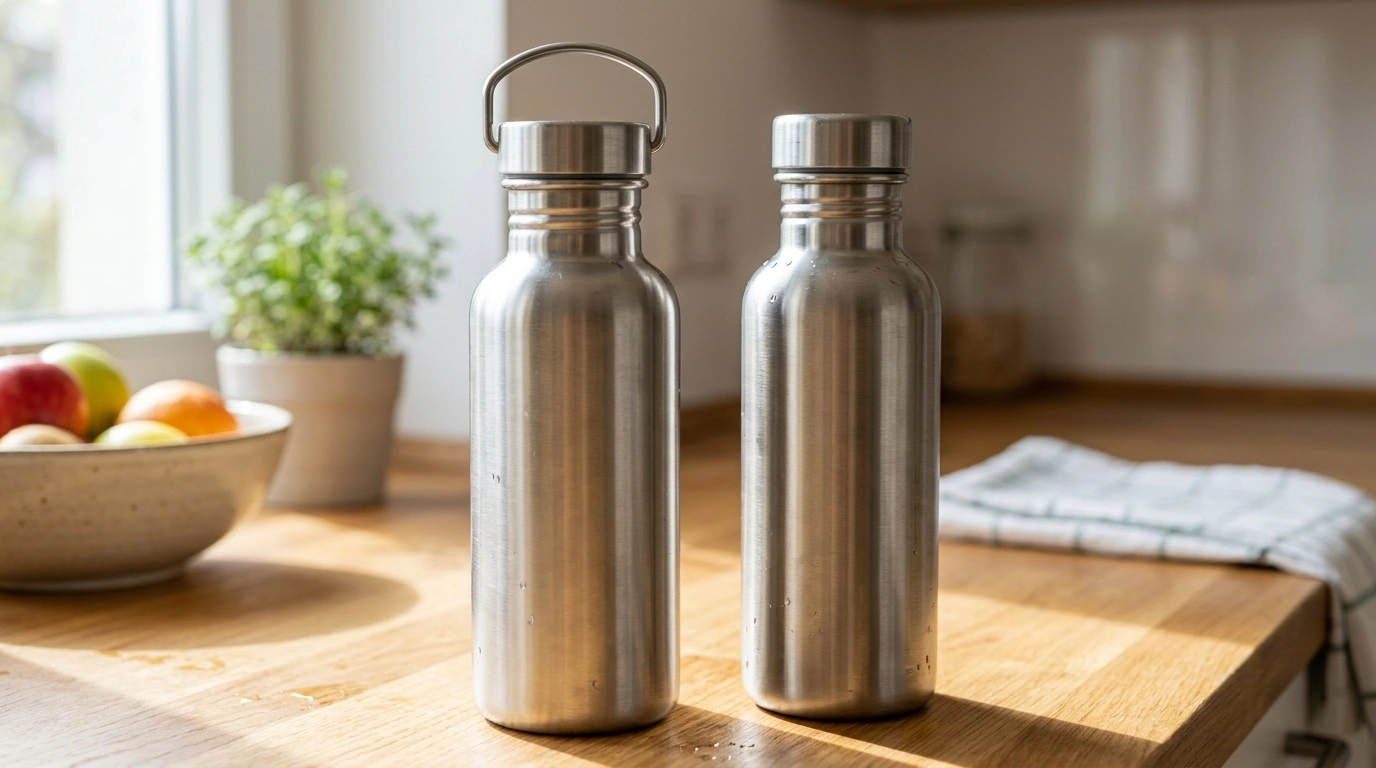
Which is better, a 304 or 316 stainless steel bottle?
For most everyday use, a 304 stainless steel bottle is the better value. It’s durable, widely used for food and beverage containers, and resists rust well in normal conditions. If the bottle will regularly face saltwater air, strong cleaning chemicals, or very corrosive environments, a 316 stainless steel bottle is the better choice because it offers higher corrosion resistance.
When a 304 stainless steel bottle makes the most sense
304 stainless steel (often called 18/8) is a go-to option for reusable bottles used for water, coffee, tea, and daily hydration. It typically provides excellent performance at a lower price, and it holds up well to routine washing, typical beverages, and normal humidity. For commuting, school, gym use, and general travel, 304 is usually all that’s needed.
When a 316 stainless steel bottle is worth it
316 stainless steel includes molybdenum, which improves resistance to chlorides and corrosion. That extra protection matters if you live near the ocean, spend lots of time boating, carry drinks in hot and humid coastal climates, or need a bottle that can tolerate harsher conditions over time. If the bottle will be exposed to salty air frequently, 316 can stay looking cleaner longer and be less prone to pitting.
Health and taste considerations
Both 304 and 316 are commonly used for food-contact applications and are generally considered safe choices for drinkware. In terms of taste, either grade can keep water tasting clean when the bottle is properly rinsed and dried. The bigger taste factors are cleaning habits, lingering odors, and whether the bottle is used for strongly flavored drinks.
Bottom line
Choose 304 for everyday use and better affordability. Choose 316 for maximum corrosion resistance in salty or harsh environments. For a deeper comparison and buying considerations, visit the full guide here.
FAQ
How do you clean a stainless steel water bottle?
Wash with warm water, mild dish soap, and a bottle brush, then rinse thoroughly and air-dry upside down. For odors, soak with a mix of warm water and baking soda, or use a vinegar-and-water rinse, then rinse again.







Leave a comment